Porchester Road removals tight access delays in Bayswater
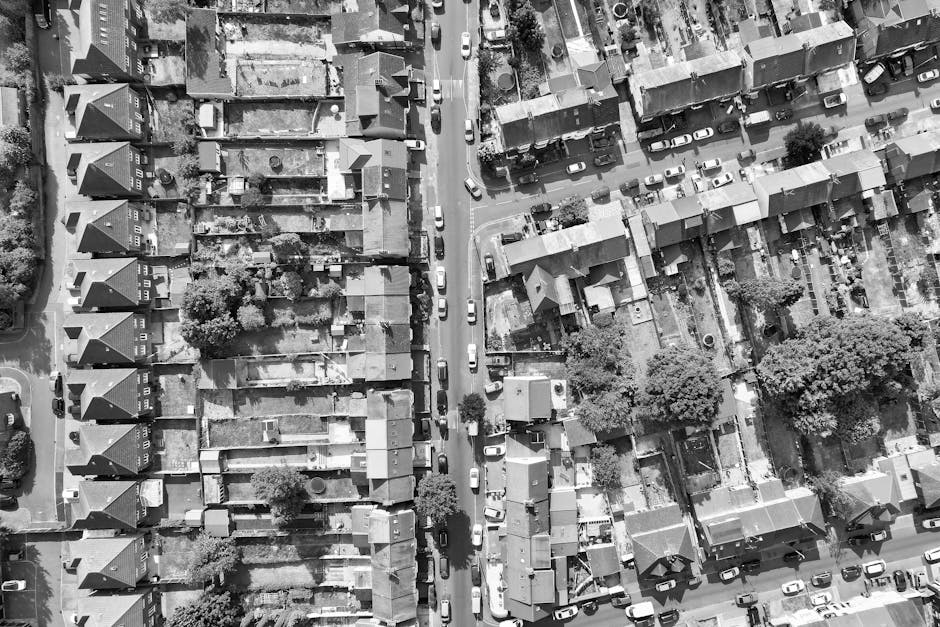
If you are planning a move and already know the phrase Porchester Road removals tight access delays in Bayswater applies to your situation, you are not alone. This part of west London can be straightforward on paper and awkward in practice: narrow approach routes, limited waiting space, busy streets, flats above shops, awkward stairwells, and the kind of parking pressure that can turn a simple morning into a long one. Truth be told, a move here is less about brute force and more about timing, coordination, and good local judgement.
This guide breaks down what causes delays, how tight access affects the moving process, what good planning looks like, and how to keep the day moving without unnecessary stress. You will also find a checklist, a comparison table, practical examples, and answers to the questions people actually ask before moving in Bayswater. If your move is on or near Porchester Road, a bit of preparation goes a long way. A very long way, actually.
Why Porchester Road removals tight access delays in Bayswater Matters
Moving in Bayswater sounds simple until you meet the real-world geometry of the street. Porchester Road and the surrounding lanes can present a mix of pinch points that matter more than most people expect. A van that cannot pull in properly, a loading bay that is already occupied, or a building entrance with a narrow turn can all add minutes at first, then hours if the day slips out of sequence.
Why does that matter so much? Because removals are timed around other moving parts: lifts, keys, building access, traffic, parking permissions, and the physical energy of the team carrying boxes up and down stairs. If one part slows, the rest usually follows. And once a crew is waiting outside, it is not just annoying. It can affect labour time, vehicle availability, and how smoothly fragile items are handled.
In Bayswater, delays often come from details that look minor in advance. A hallway that seems wide enough may become awkward with wardrobes or sofas. A short kerbside stop may be blocked by another driver. A front door might open inward and reduce carrying space. On a quiet day, you barely notice these things. On moving day, they matter a lot.
Practical takeaway: with tight access removals, the move is rarely delayed by one big disaster. It is usually delayed by several small friction points adding up.
That is why good planning on Porchester Road is not a luxury. It is the difference between a calm handover and a morning spent checking the clock every ten minutes.
How Porchester Road removals tight access delays in Bayswater Works
In practice, tight access removals work like a sequence of connected tasks. The crew needs a place to stop, a safe route to the entrance, enough room to load or unload, and a clear plan for what comes off the vehicle first. If any one of those pieces is weak, delays can build quickly.
Here is the usual pattern. First, the moving team assesses the site details: where the van can stop, whether a lift is available, how many stairs are involved, and whether there are restrictions on time or vehicle size. Then they decide how to position the vehicle and who handles what. In a tight street, that decision matters more than you might think. A poor parking position can create extra walking distance for every item, which sounds small until you are carrying a mattress in the rain at 8:15 in the morning.
Next comes the actual movement. The crew will often work in a shuttle pattern, bringing items out in stages rather than trying to load everything at once from a cramped entrance. For flats in Bayswater, this is especially common where there is a narrow staircase or a shared hallway that cannot be blocked for long. The key is flow. Stop-start movement costs time.
The final part is sequencing. The first things out are not always the first things on the van. Heavy, awkward, or time-sensitive items may need a different order depending on access. That is where experience helps. A good team looks ahead, not just at the next box.
It is worth saying plainly: tight access does not automatically mean a difficult move, but it does mean the move has to be managed rather than guessed. And guessing, in London traffic and London parking, is usually a bad hobby.
Key Benefits and Practical Advantages
When the move is planned properly, tight access can still be handled efficiently. The goal is not to make the street bigger. Obviously. The goal is to reduce friction so the crew can keep momentum and protect your belongings.
- Less waiting time: a clear access plan helps avoid the common problem of a van circling for space while the team stands idle.
- Lower handling risk: fewer detours and fewer awkward carries mean less chance of scuffs, knocks, or fatigue-related mistakes.
- Better scheduling: if you know access will be tight, you can plan start times, key collection, and building entry more realistically.
- Improved communication: everyone knows what is happening, who is coming through the door, and which items need special care.
- More predictable costs: delays are one of the main reasons moving jobs become more expensive than expected, especially where extra labour time is involved.
There is also a softer benefit people often miss: a calmer move day. When you are not constantly improvising, the whole experience feels more controlled. You make better decisions. You spot issues earlier. Even the kettle breaks feel less dramatic, which is saying something.
For many households, the real value is not just speed. It is confidence. You can walk into the day knowing the difficult parts have already been thought through.
Who This Is For and When It Makes Sense
This topic is most relevant if you are moving from or to a property on Porchester Road, or anywhere nearby in Bayswater where access is limited. That includes mansion blocks, basement flats, top-floor apartments, converted townhouses, and properties with shared entrances or narrow front steps.
It also makes sense if you are handling any of the following:
- a same-day key handover with limited flexibility
- a furniture-heavy household move
- an office or studio move with awkward equipment
- a removal where parking needs to be coordinated in advance
- a move with vulnerable items like mirrors, antiques, or large artwork
- a building that requires lift booking, porter coordination, or notice for access
Let's face it, not every move needs a highly detailed access strategy. But if your route from van to front door involves stairs, narrow pavement space, or a lot of short carrying distances, planning starts to pay for itself very quickly.
This is especially true if you are managing the move yourself and asking friends to help. Friends are brilliant, usually. But they are not a substitute for a measured access plan, and nobody enjoys being the person who has to reverse a van half a street because the loading space disappeared.
Step-by-Step Guidance
If you want to reduce delays, build the move around access rather than treating access as an afterthought. A simple, structured approach works best.
- Check the access at both ends. Walk the route from the street to the front door. Note stairs, door widths, lifts, turning points, and anything that might slow carrying.
- Measure the awkward items. Sofas, wardrobes, beds, fridges, and desks often create the first surprises. Measure them properly, including handles and feet if needed.
- Identify parking and stopping options. Find the nearest realistic place for a van to stop. Not the ideal spot. The realistic one.
- Plan the loading order. Put the most awkward or essential items in an order that suits the route, not just the room list.
- Prepare the property. Clear corridors, remove loose rugs, protect floors, and make doors easier to hold open.
- Brief everyone involved. If family members, neighbours, porters, or building staff are involved, make sure the plan is simple and clear.
- Allow a buffer. Build in time for access problems, traffic, or a lift that is slower than expected.
- Keep essentials separate. Documents, keys, chargers, medication, snacks, and toiletries should not be buried in the back of the van. That is one of those tiny mistakes that becomes a big headache.
A useful habit is to imagine the move as a chain of handoffs. Street to pavement. Pavement to doorway. Doorway to hallway. Hallway to van. Every handoff should be as smooth as possible. That mindset alone prevents a lot of delays.
If you are moving in the morning, try to stage the property the night before. You will notice the difference. There is something about a half-prepared flat at 7am that can make even a well-organised move feel a bit chaotic, almost cartoonish.
Expert Tips for Better Results
Experience with tight-access moves tends to teach the same lesson over and over: the best solution is usually not the fanciest one. It is the one that removes friction fastest.
Here are a few practical tips that really help on streets like Porchester Road:
- Use a smaller vehicle if the road layout demands it. A slightly smaller van that can stop closer may beat a larger van that has to park further away.
- Protect corners and thresholds early. Not after the first scrape. Early. It saves time later and keeps people moving confidently.
- Assign one person to route control. Too many voices shouting instructions at once is how delays start looking silly.
- Keep lifts clear. If a lift is available, reserve it where possible and avoid loading it with loose items that block the door.
- Front-load communication with neighbours or building staff. A quick heads-up can prevent a blocked entrance or a misunderstanding at the worst moment.
- Stage awkward furniture near the exit. The closer heavy items are to the door, the less likely the move is to get bogged down in the middle.
One thing people often underestimate is fatigue. Tight access creates lots of short, repetitive carries. That can be harder on a crew than one or two long carries because the rhythm gets interrupted. Small breaks, water, and sensible sequencing matter more than people assume. A tired team makes small errors. Small errors become delays. It's a chain reaction.
Also, be realistic about time. A move that looks like a two-hour job from a spreadsheet can behave very differently once the van is double-parked and the stairs are in play.
Common Mistakes to Avoid
Most problems in tight-access removals are preventable. The hard part is not knowing that. The hard part is remembering it when you are busy, tired, and trying to hand over keys.
- Assuming the van can park right outside. In Bayswater, that assumption is often wrong, and the consequences show up fast.
- Underestimating staircase difficulty. A narrow stairwell can be a bigger issue than the distance from van to door.
- Leaving parking arrangements too late. By the day itself, the best spots are often gone.
- Not measuring large furniture. This is where many delays begin, especially with wardrobes and large sofas.
- Forgetting building rules. Some blocks require notice, booking, or specific access times.
- Packing in a way that blocks essential items. If you cannot find keys, paperwork, or the first box you need, the whole day slows down.
- Ignoring weather and surface conditions. Rain, leaves, wet steps, and poor lighting all matter more when access is already tight.
There is a certain temptation to think, "We will figure it out on the day." Sometimes people do. Sometimes they very much do not. Better to spend a little time thinking ahead than to spend the morning apologising to neighbours while someone waits on a staircase with a sofa. Nobody enjoys that scene.
Tools, Resources and Recommendations
You do not need a pile of specialist equipment to handle a tight-access move, but a few simple tools make life easier and safer.
- Measuring tape: useful for doorways, hallways, lifts, and furniture dimensions.
- Floor protection: helps reduce damage in shared entrances and hallways.
- Furniture blankets and straps: useful for protecting items and improving grip.
- Trolley or sack truck: only if the route allows safe use. On narrow stairs, manual carrying may still be better.
- Labels and room markers: help keep loading organised and reduce time spent searching.
- Phone torch: handy for basements, under-stair cupboards, and darker entrances in older buildings.
Beyond tools, the most valuable resource is accurate information. Confirm the access conditions at both properties. Ask about lift size, stair width, parking limitations, and any building timing restrictions. If you are moving into a managed block, speak to the building contact early rather than hoping it will all be fine. Hope is lovely. It is not a moving plan.
If you are comparing moving support, look for a team that asks good questions before moving day. A good operator should want to know about access, parking, item size, and timing. If they do not ask, that is not a great sign. In our experience, the best outcomes start with boring questions. Boring questions save the day.
Law, Compliance, Standards, or Best Practice
Tight-access removals in London often involve practical compliance rather than complex legal theory. The main concern is to work safely, avoid obstruction, and respect any building or local parking rules that apply. Exact requirements can vary by street, building, and council arrangements, so it is sensible to check locally rather than assume.
As a rule, best practice includes the following:
- do not block pavements, entrances, or emergency access points
- use safe lifting techniques and avoid rushed handling
- follow building rules for lift use, loading, and timing
- make sure the move does not create avoidable nuisance for neighbours
- plan parking and stopping arrangements with enough notice
For shared buildings, it is also wise to respect any management company or porter instructions. They are often there for a reason, and ignoring them tends to slow things down. Not ideal.
From a safety perspective, the main priority is reducing trip hazards, protecting hands and feet during lifting, and keeping the route as clear as possible. That applies whether you are moving one room or an entire flat. Good practice may sound plain, but it is what keeps a move from becoming messy.
If your move involves heavy appliances, oversized furniture, or multiple flights of stairs, it is sensible to treat the day as a manual-handling job that needs thought, not a sprint.
Options, Methods, or Comparison Table
There is more than one way to handle a move with tight access. The best choice depends on the property, the volume of items, and how much local friction you expect.
| Method | Best for | Advantages | Drawbacks |
|---|---|---|---|
| Full-service removals | Larger household moves and awkward access | More hands, better coordination, less strain on you | Usually costs more than doing it yourself |
| Man and van | Smaller loads or short-distance moves | Flexible, often suitable for tight streets | May take longer if the load is heavy or access is complex |
| DIY move with friends | Small, simple moves with few large items | Lower direct cost | Harder to manage safely, and delays are more likely |
| Hybrid move | Moves needing a mix of your own packing and professional transport | Can balance cost and control | Needs clear coordination to avoid confusion |
If access is genuinely tight, a fully DIY approach is often more stressful than people expect. You may save money upfront, but you can lose time, energy, and a fair bit of goodwill. A hybrid option can sometimes be the sweet spot, especially where you are happy to pack yourself but want practical help on the day.
For many Bayswater properties, the best method is whichever one reduces the number of decisions you need to make while standing on the pavement with a clock ticking. Simple, yes. But true.
Case Study or Real-World Example
Here is a realistic example based on the kind of access problems commonly seen around Porchester Road. A couple moving from a top-floor flat expected a straightforward morning because the journey distance was short. The issue was not the distance. It was the building access and the road conditions outside.
The flat had a narrow staircase, a shared entrance, and one particularly awkward corner that made a large wardrobe difficult to turn. The street space outside was limited, so the van could not sit directly in front of the entrance for long. On the first attempt, the plan was to load items room by room without staging. That quickly started to drag. The team had to keep repositioning, which wasted time and made the stairwell feel crowded.
After a short reset, they changed the approach. The heaviest items were brought to the hallway first, the van position was kept as close as possible to the entrance, and one person managed the order of items going out. Fragile boxes were separated from bulky furniture. The move still had delays, but they became manageable rather than chaotic.
The lesson was simple: the property had not changed, but the method had. And that made all the difference. The couple later said the day felt much calmer once they stopped trying to "just get on with it" and started treating the access as the main task. That sounds obvious after the fact, of course. It usually does.
Practical Checklist
Use this checklist before move day if you are dealing with Porchester Road removals tight access delays in Bayswater.
- Confirm the moving date, time, and key handover plan
- Measure stairwells, doorways, and large furniture
- Check parking or stopping options near both addresses
- Ask about lift access, building rules, and booking requirements
- Protect floors, corners, and door frames
- Pack essential items separately
- Label boxes clearly by room
- Move loose items and trip hazards out of corridors
- Keep water, snacks, and chargers easy to reach
- Allow extra time for access delays and traffic
- Tell neighbours or building staff if needed
- Prepare for weather, especially rain or slippery surfaces
Quick tip: if you can do only one thing, do this: walk the access route yourself before move day. It takes minutes and can save hours.
Conclusion
Porchester Road removals tight access delays in Bayswater are usually not about one dramatic obstacle. They are about a series of small challenges that need clear planning, realistic timing, and a sensible loading strategy. When those pieces are in place, the move becomes far more manageable, even in a busy and awkward part of London.
The main thing to remember is that tight access does not have to mean a stressful day. It just means the job deserves a little more attention before the first box is lifted. Measure properly, plan the sequence, respect the building, and leave room for the unexpected. That alone will put you ahead of most rushed moves.
If you are preparing for a move in the area, take the time to organise the access properly and make the day easier on everyone involved. Small preparation now can save a great deal of bother later.
Get a free quote today and see how much you can save.
Frequently Asked Questions
What causes delays in Porchester Road removals in Bayswater?
The most common causes are limited parking, narrow entrances, stairs, lift restrictions, and poor planning around access. In busy parts of Bayswater, even a short stop can be disrupted if the van cannot park close enough to the property.
How do tight access delays affect moving costs?
They can increase costs if the job takes longer than expected or needs extra labour time. Some delays are unavoidable, but many can be reduced by planning access, parking, and loading order properly before move day.
Should I book a smaller van for a tight street?
Sometimes, yes. A smaller van may be easier to place near the entrance and can reduce carrying distance. The right choice depends on how much you are moving and whether the road layout leaves enough room for a larger vehicle.
How far in advance should I plan a move with tight access?
As early as possible. Even a basic access check a week or two ahead can help, but more notice is better if you need to coordinate building rules, parking, or key collection in Bayswater.
What should I tell the removals team before moving day?
Tell them about stairs, lift access, parking limits, large furniture, awkward corners, and any time restrictions. The more accurate the information, the better they can plan the route and the order of loading.
Can tight access be managed without a full removals service?
Yes, in some cases. Smaller moves can be handled with a man and van setup or a DIY approach. That said, if the access is particularly awkward, professional help usually makes the day smoother and less risky.
What if the van cannot park outside the property?
Then the crew may need to work from the nearest practical stopping point. This usually adds carrying time, so it is important to build that into your schedule rather than expecting a quick in-and-out job.
Do I need to measure my furniture before booking?
Yes, especially for large items like sofas, wardrobes, beds, and appliances. Measurements help identify whether items will fit through doorways, around corners, and into lifts without delay.
Are there special rules for flats and managed buildings in Bayswater?
Often there are building-specific rules about lift use, loading times, or notifying the management team. These vary, so check your building instructions before the move rather than assuming access will be unrestricted.
How can I reduce stress on the day itself?
Keep essentials separate, label boxes clearly, clear corridors, and allow more time than you think you need. A little buffer makes a big difference when access is tight and the street is busy.
What is the most common mistake people make with tight-access removals?
Assuming the move will be simple because the distance is short. In reality, short-distance moves in Bayswater can still be slow if parking, stairs, or building access create friction.
Is it worth getting a pre-move access check?
Yes, very often. A quick walk-through of the route, entrance, and parking area can reveal problems early and give you time to adjust the plan. That small step can prevent a lot of wasted time later.